GREEN HYDROGEN

Powering the Future with Green Hydrogen

Green hydrogen - produced through the electrolysis of water using renewable energy - is a cornerstone of Ireland's decarbonization strategy. FIESO is pioneering research into how hydrogen can transform our energy system, addressing key challenges in production, storage, and integration.

Why Green Hydrogen Matters

Ireland's ambitious renewable energy targets will result in periods where wind generation significantly exceeds demand. Rather than curtailing this valuable clean energy, FIESO demonstrates how it can be converted into green hydrogen, creating a versatile energy carrier that can decarbonize hard-to-electrify sectors including heavy transport, industry, and heating.

Our Approach

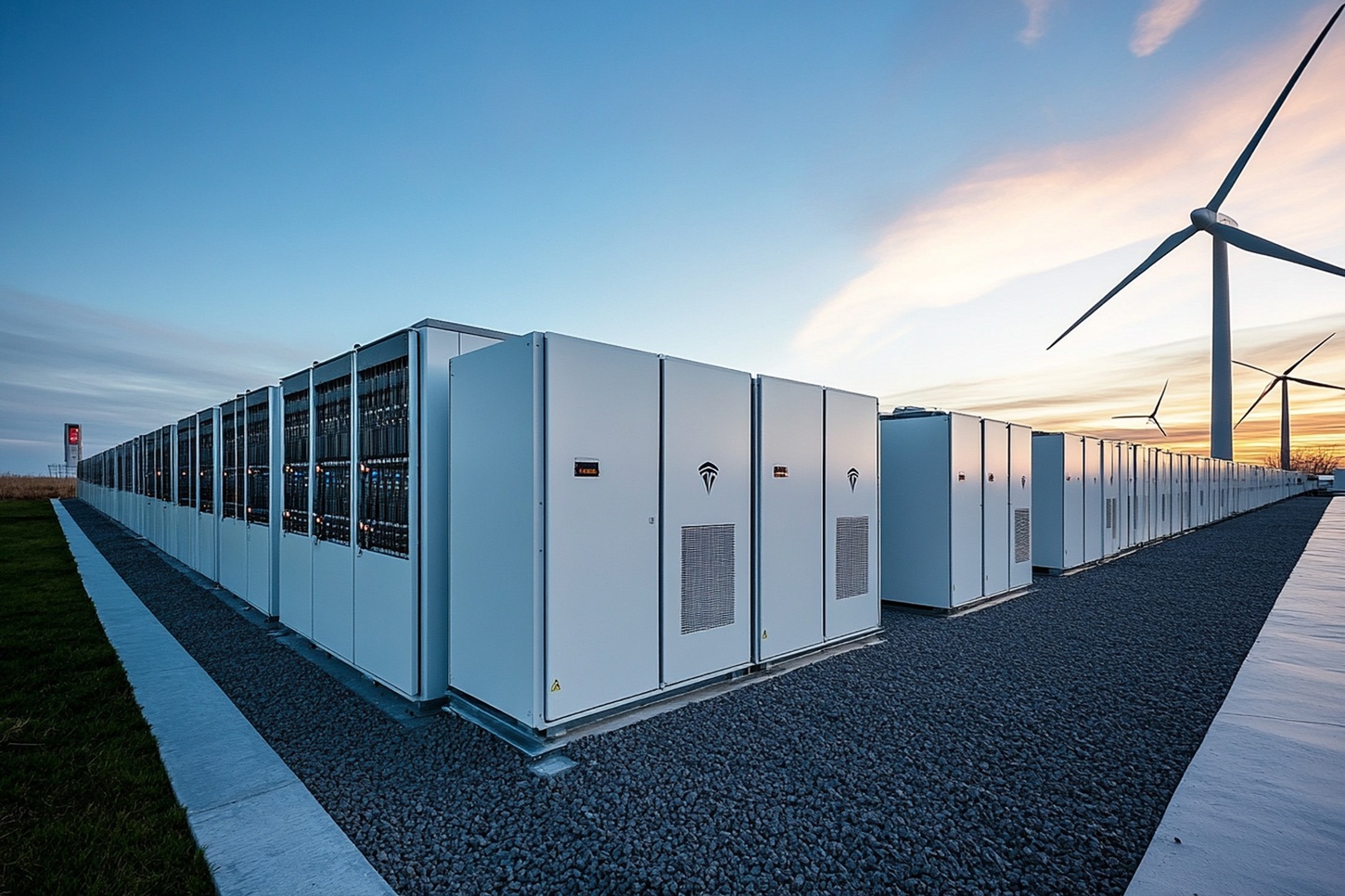
At the Lir Laboratory, we operate a unique co-simulation testbed that integrates real hydrogen electrolysers, fuel cells, and storage systems with a floating offshore wind turbine through Power Hardware in the Loop (PHIL) technology. This allows us to test and optimize hybrid wind-hydrogen-battery systems under realistic future grid conditions.

Our research focuses on:

  • Optimal System Design: Determining the ideal number, size, and configuration of electrolysers to maximize efficiency while minimizing costs.
  • Smart Control Strategies: Developing advanced algorithms that coordinate multiple electrolysers with battery storage to capture curtailed wind power.
  • Grid Services: Demonstrating how hydrogen systems provide flexibility, frequency regulation, and congestion management.
  • Economic Viability: Working toward a 50% reduction in green hydrogen production costs by 2030.

Real-World Impact

Nearly 100% of Ireland's curtailed wind power could be converted into green hydrogen. By coupling electrolysers with battery energy storage systems (BESS), we can absorb power fluctuations more effectively, operate at higher efficiency, and create new revenue streams that make green hydrogen economically attractive.

This is particularly relevant for Ireland, where wind curtailment reached 12.1% in recent years, representing significant lost renewable energy and increased costs for consumers.